Two Numbers, One Legend
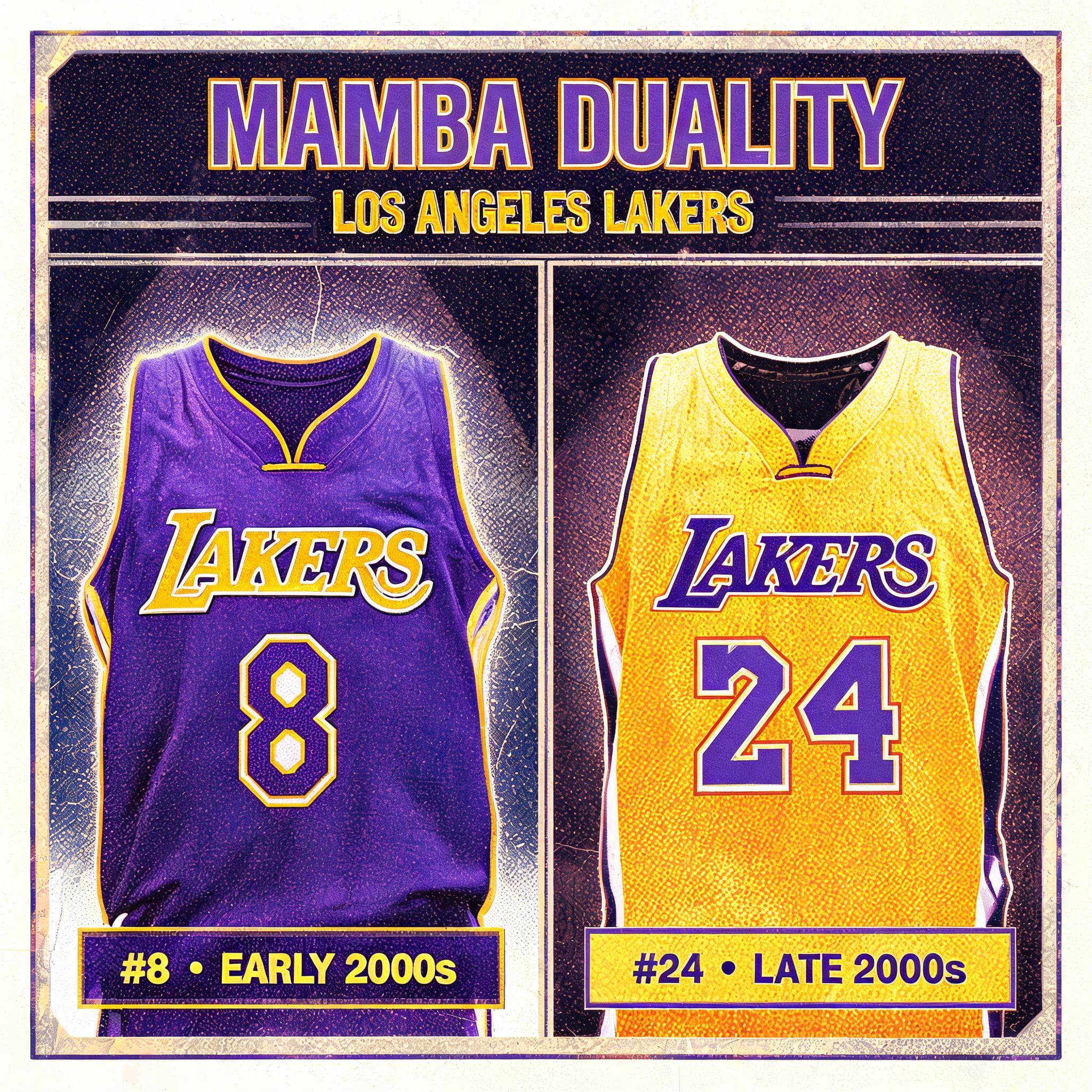
Kobe Bryant is the only player in NBA history whose jersey retirement required two numbers raised to the rafters on the same night. On December 18, 2017, the Staples Center hung both #8 and #24 — an acknowledgment that Kobe's career was really two careers stitched together by an inhuman work ethic and a refusal to be defined by a single era.
The #8 Kobe was a teenager with a four-inch Afro, throwing alley-oops to Shaquille O'Neal, winning three straight championships with the kind of reckless athleticism that made older players nervous. The #24 Kobe was a different animal entirely — post-Shaq, post-Colorado, post-everything that tried to break him. Leaner, meaner, technically perfect. The Mamba.
For jersey collectors, this duality creates a market unlike any other player's. You're not buying a Kobe jersey. You're choosing a Kobe era. And that choice says something about you.
Why the Market Changed on January 26, 2020
Kobe Bryant's death in a helicopter crash in Calabasas, California, transformed his jersey market overnight. Within 48 hours, every authentic Kobe jersey on eBay had been purchased or delisted. Mitchell & Ness sold out their entire Lakers inventory. Fanatics reported a 5,000% spike in Kobe merchandise searches.
Three years later, the market has settled — but at a permanently elevated baseline. Pre-crash, a Mitchell & Ness authentic #24 retailed for $250 and resold for $200-280. Post-crash, that same jersey resells for $350-500 consistently. Game-worn pieces have appreciated 200-400% depending on provenance.
This isn't a temporary grief spike. It's a structural repricing. Kobe jerseys are now memorial objects. They carry emotional weight that transcends sports collecting. A generation of fans who grew up watching Kobe — now in their late 20s and 30s with disposable income — treat his jerseys as artifacts of a lost era. That emotional demand creates a price floor that won't collapse.
The #8 vs. #24 Decision
Every Kobe buyer faces the same question: which number?
#8 (1996-2006) represents youth, explosiveness, and the Shaq partnership. The jersey designs from this era — the purple-and-gold with the Shaq-era collar, the early-2000s Reebok crossover aesthetics — have a particular nostalgia for fans who grew up in that decade. The 81-point game was technically a #8 jersey. So was the alley-oop to himself in the 2000 Finals.
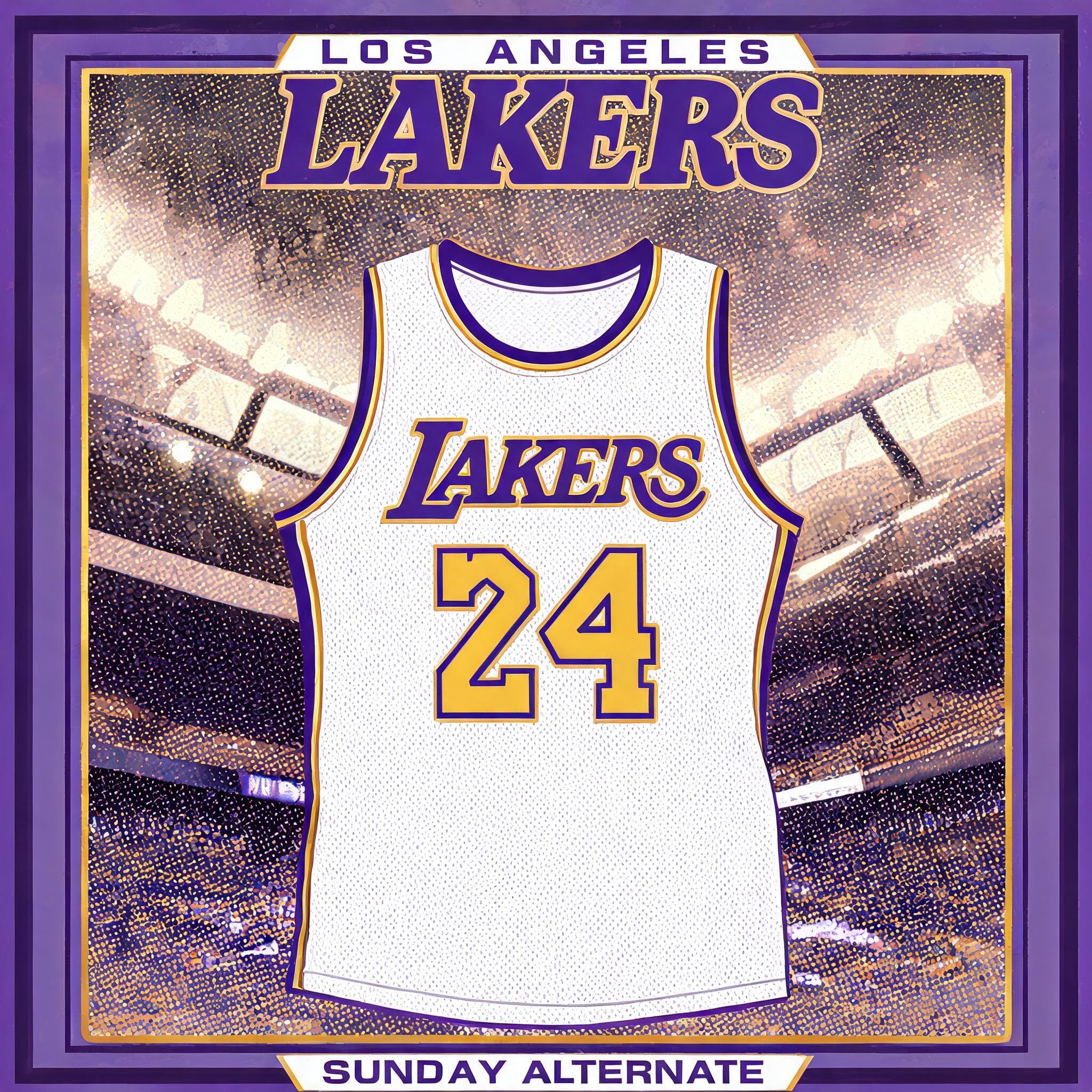
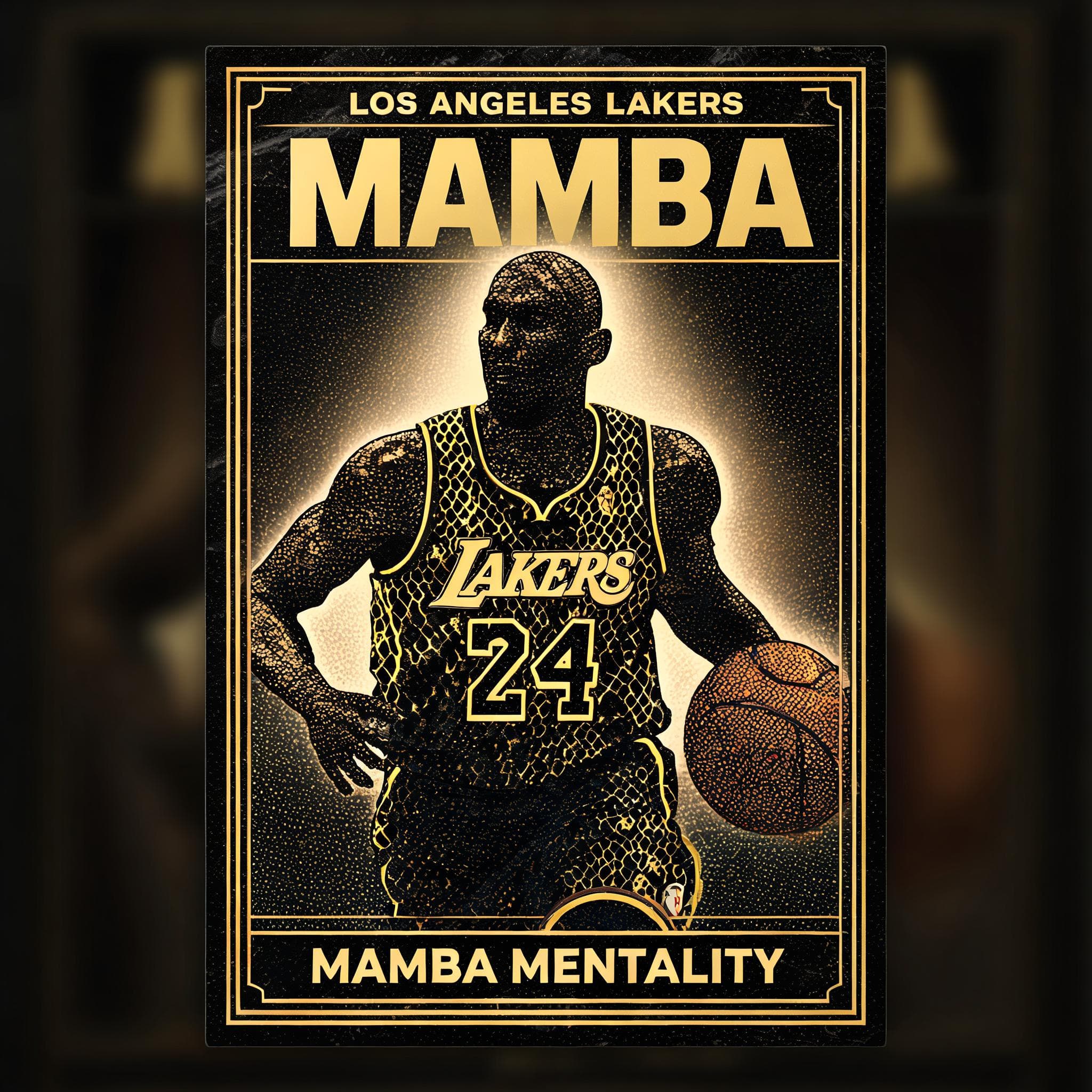
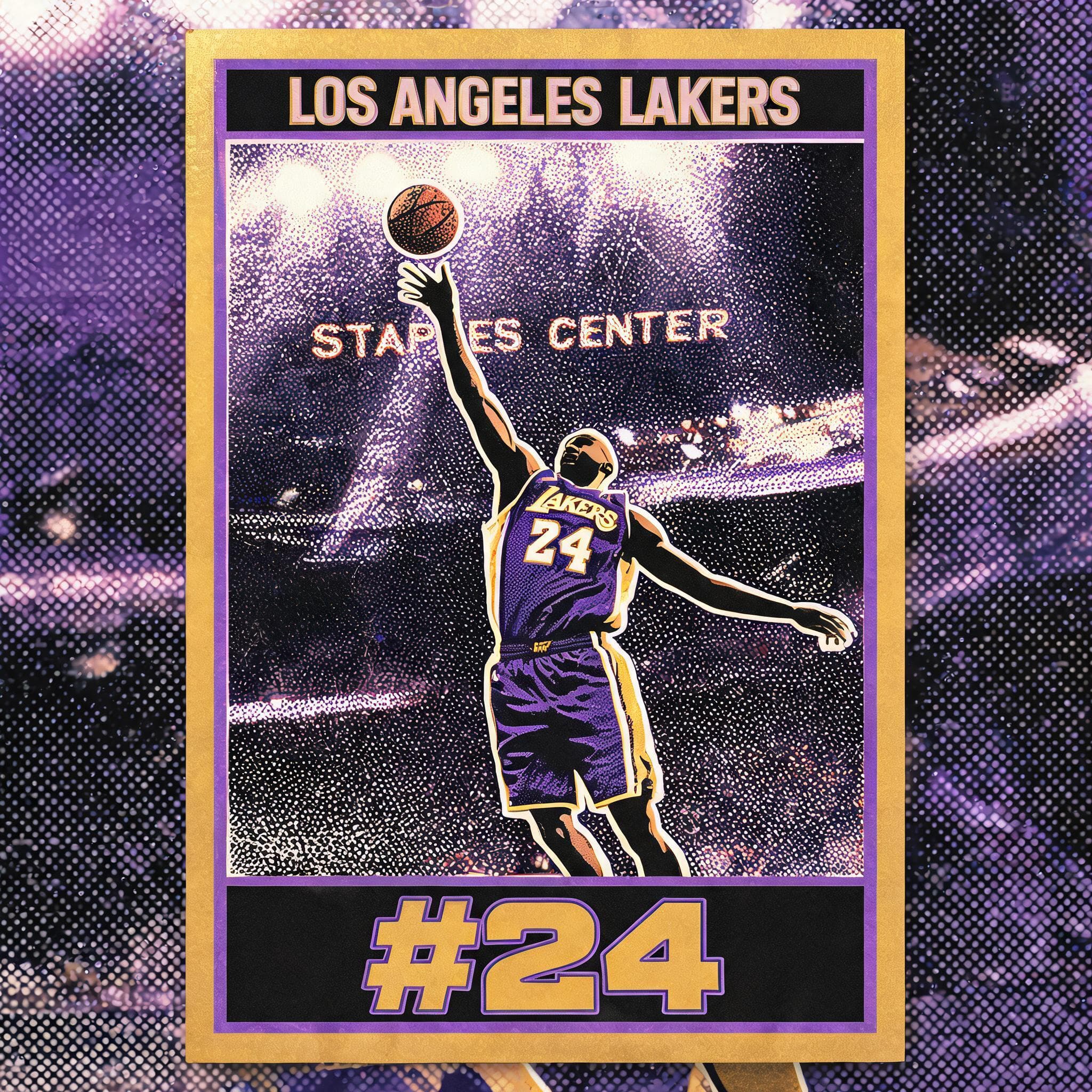
#24 (2006-2016) represents maturity, the championship comeback, and the Mamba Mentality brand. The 2009 and 2010 Finals. The Achilles tear. The 60-point farewell. The #24 jersey is what most casual fans picture when they think of Kobe — it's the number on the memorial murals, the tattoos, the Staples Center tributes.
Market data shows #24 outsells #8 roughly 3:1 in retail. But vintage #8 jerseys from the actual 1996-2006 era command higher resale premiums, because supply is scarcer and the collector market values authenticity over sentiment.
The Collection
Below you'll find deep dives into Kobe's most iconic jersey variants — from the split #8/#24 debate to the Mamba City Edition that Nike released posthumously. Each guide covers authentication markers, current market pricing, and sizing across brands.